Establish the starting condition
We review the symptoms, layout, accessible pipework, valves and radiator response. Existing defects, poor circulation and any concerns about suitability are discussed before the cleaning scope is confirmed.
 Pure Energy ProjectElectrical · Heating · Plumbing
07825 268 434
Pure Energy ProjectElectrical · Heating · Plumbing
07825 268 434
Heating system cleaning · Earl’s Court SW5
Uneven heating deserves a clear explanation.


A bedroom that never quite warms up. A radiator that stays cold along the bottom. Heating that runs for longer without making the flat comfortable. Before booking a powerflush, it helps to know what is stopping the heat from reaching the room.
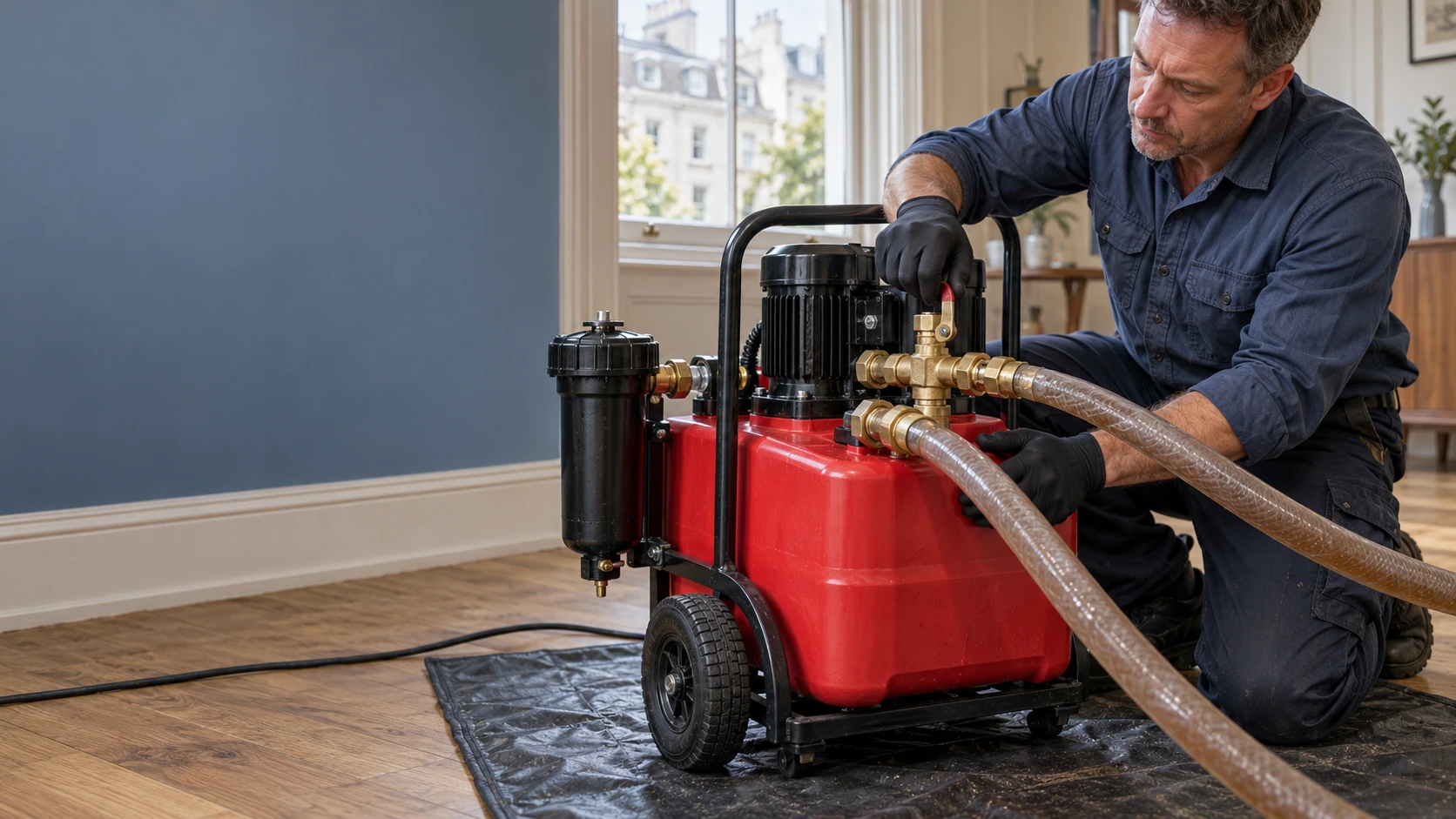
PEP provides powerflushing and heating-system cleaning in Earl’s Court SW5. We assess the installation, identify whether contamination is contributing to the problem and agree the appropriate work. Where cleaning is needed, we work through the circuit methodically, restore suitable water treatment and check the heating afterwards.
01 · Start with the cause
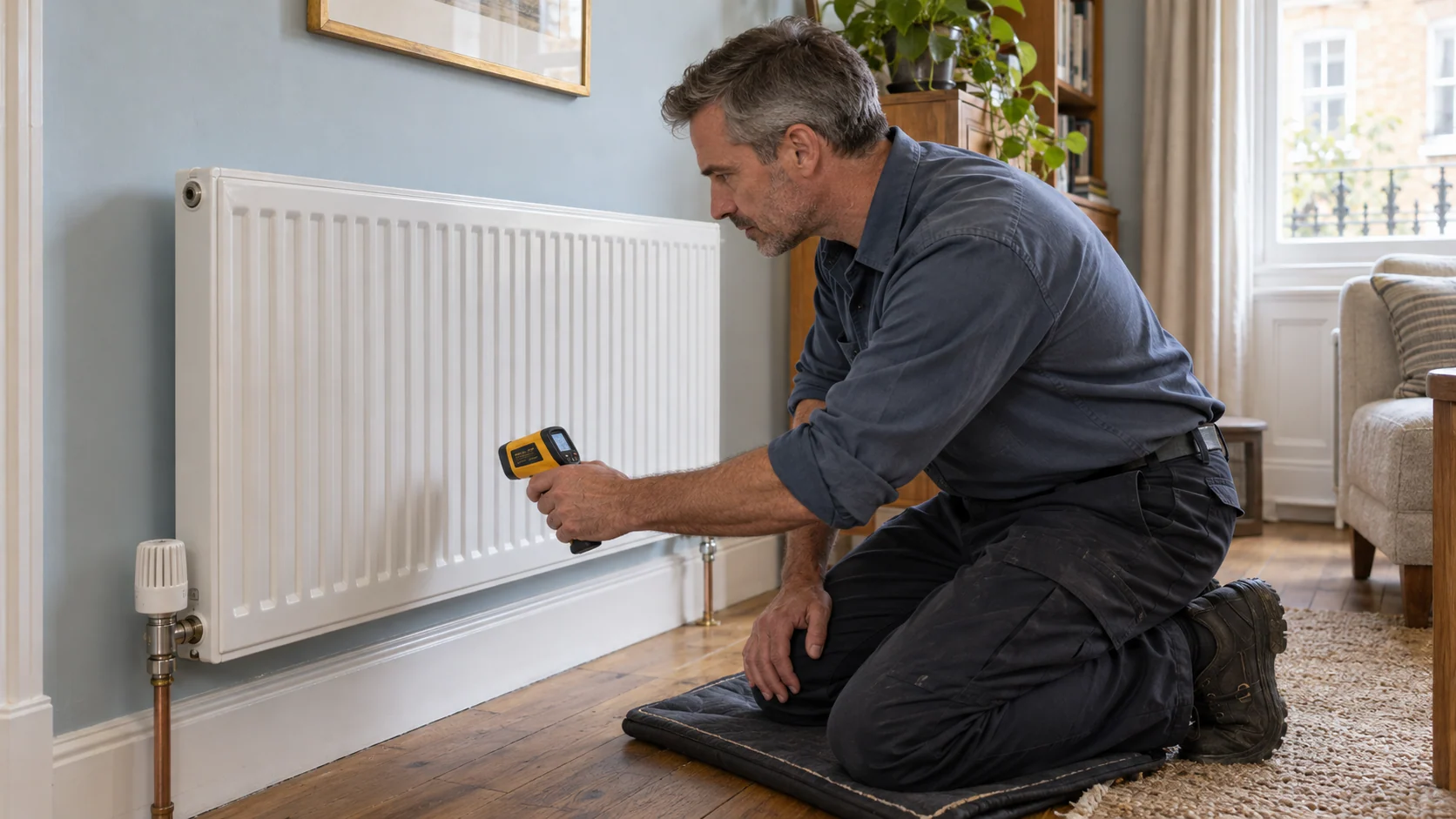
Sludge and corrosion debris can restrict circulation and reduce heat transfer. But a similar symptom can come from a sticking radiator valve, trapped air, poor balancing, a pump problem or controls that are not calling for heat correctly.
The pattern matters. One radiator behaving differently from every other radiator suggests a different starting point from an entire floor warming slowly. Some variation in radiator surface temperature is normal; persistent cold sections and poor room heating deserve investigation.
We consider the affected rooms, accessible components, system-water condition and any recent changes. Replacing a boiler or adding radiators can expose existing circulation problems without proving that sludge is the cause.
The recommendation may be a powerflush, a lighter clean, balancing or a targeted repair. You should understand why that approach suits your heating before committing to it.
Our guide explains when a heating system may need a powerflush and which other faults should be considered.
02 · Know the system boundary
In a converted Earl’s Court property, the rooms you occupy do not necessarily tell us how the heating is connected. An independently heated flat, a maisonette and an apartment served by a shared system need different preparation.
Where you have your own boiler, we identify the radiators, branches and controls belonging to that installation. Where heating comes from a communal system or a heat interface unit (HIU), we first establish the circuit boundaries and the building’s maintenance arrangements.
03 · Care for the home
Getting equipment into an upper-floor flat, protecting a shared staircase and working beside fitted joinery are practical parts of the job, not details to discover after arrival.
We agree the working route, equipment position, suitable water supply and discharge arrangements before starting. Floors and vulnerable finishes around the work area are protected, and access to the radiators is planned with the occupants.
Let us know about restricted working hours, lift access, parking arrangements or managing-agent requirements. Where cleaning forms part of a refurbishment, we can coordinate it with other work through our plumbing installation service in Earl’s Court.

04 · Assess. Clean. Protect.
Powerflushing uses an external machine to circulate water and suitable cleaning products through the heating circuit. The method relies on controlled flow to mobilise deposits, rather than treating the installation like a drain requiring high-pressure jetting.
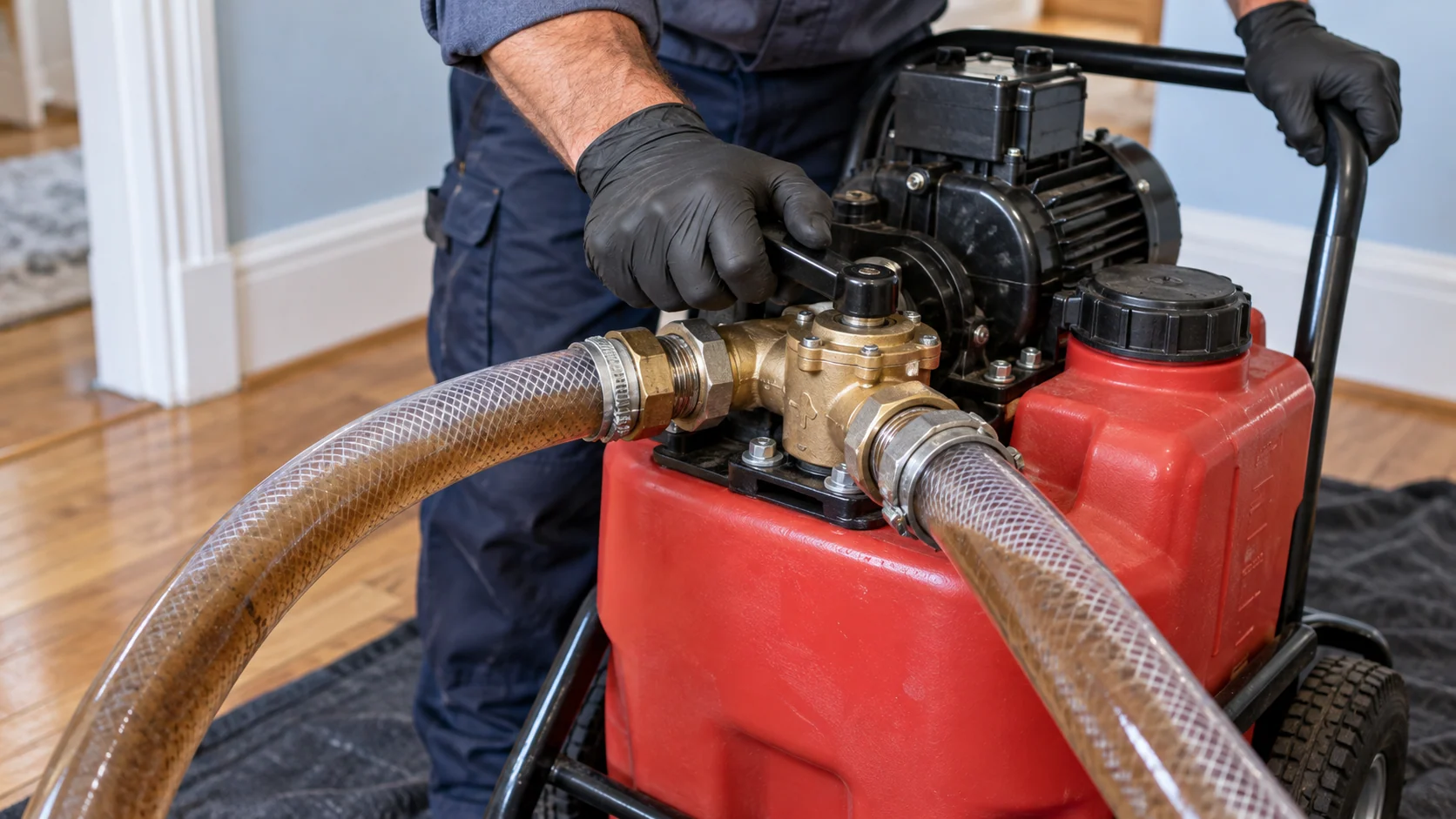
We review the symptoms, layout, accessible pipework, valves and radiator response. Existing defects, poor circulation and any concerns about suitability are discussed before the cleaning scope is confirmed.
The connection point and cleaning products are selected for the installation. We protect the work area and prepare the relevant circuits, taking account of appliance requirements and components that need isolation or particular care.
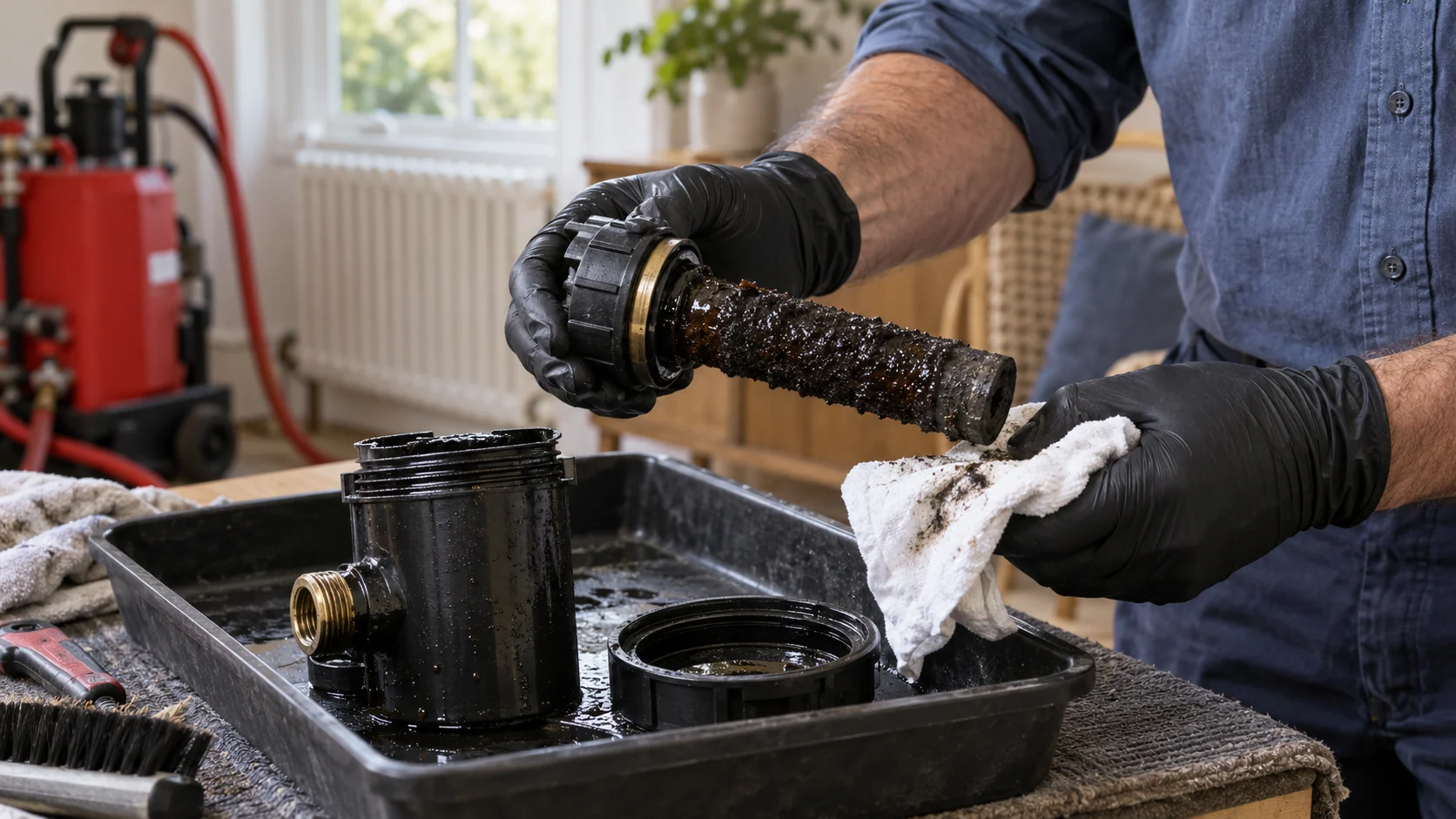
Radiators and branches are addressed in a controlled sequence. Suitable flow reversal and magnetic debris capture help remove contamination, rather than allowing loosened material simply to circulate elsewhere in the system.
Cleaning residues and suspended debris are rinsed out. Suitable corrosion inhibitor is added, the system is returned to its normal operating arrangement and heating performance is checked. Any remaining restriction or separate fault is explained.
05 · Suitability before assumptions
The age of a property is not a diagnosis. A period flat may have modern heating throughout, while a recently decorated home may retain older pipework concealed beneath the floors.
We assess the installation we find. Microbore systems can sometimes be cleaned successfully, but narrow pipes, manifold arrangements and established blockages affect the method and achievable result. Kamco’s technical guidance highlights the importance of the connection point and restrictions in these systems.
Cleaning also cannot replace metal already lost to corrosion. Removing deposits may reveal a weakness that was previously concealed. If a component is visibly compromised or a branch cannot circulate, we explain whether repair, replacement or separate treatment is needed.
Different problems. Different methods.
These are not interchangeable names for the same solution.
A powerflush uses a dedicated external machine to create cleaning circulation. A less intensive chemical clean may use the heating system’s own pump before draining and rinsing. Both methods can involve chemicals; the choice depends on contamination, circulation and system condition.
Balancing adjusts how water is distributed between radiators. It does not remove accumulated debris, just as cleaning does not correct every distribution fault. Some systems need more than one intervention, but each should have a clear reason.
06 · A clearly defined quotation
The number of radiators is a useful starting point, but it is not the whole quotation. Several branches, restricted connections, difficult access or heavy contamination can make a small installation more involved than expected.
We define the price around the agreed scope: assessment, cleaning, rinsing, water treatment and recommissioning. The quotation should also make clear the VAT position, any access-related costs and whether additional work is included.
Cleaning an existing magnetic filter is different from supplying and fitting a new one. Replacing a failed valve, repairing a pump or opening up a blocked pipe is not automatically included in a standard powerflush. Where additional work is identified, we explain it and seek agreement before proceeding.
Send your postcode, approximate radiator count and a description of the problem. That gives us a useful basis for discussing the next step.
07 · One coordinated installation package
PEP’s boiler installation offer includes a full-system PowerFlush, with the existing installation assessed beforehand for suitability and the appropriate cleaning approach. If we are already replacing your boiler, cleaning belongs within that agreed package rather than being booked again as a duplicate service.
We are Vaillant and Viessmann Registered Installers. Our boiler installation page for Earl’s Court explains the installation package and qualifying manufacturer cover. That boiler cover is separate from standalone powerflushing.
If you are keeping your existing boiler, we can assess and quote for heating-system cleaning independently.
08 · Check the water. Check the heating.
The finish line is not simply clearer water in a hose. We check the result against the problem reported at the start.
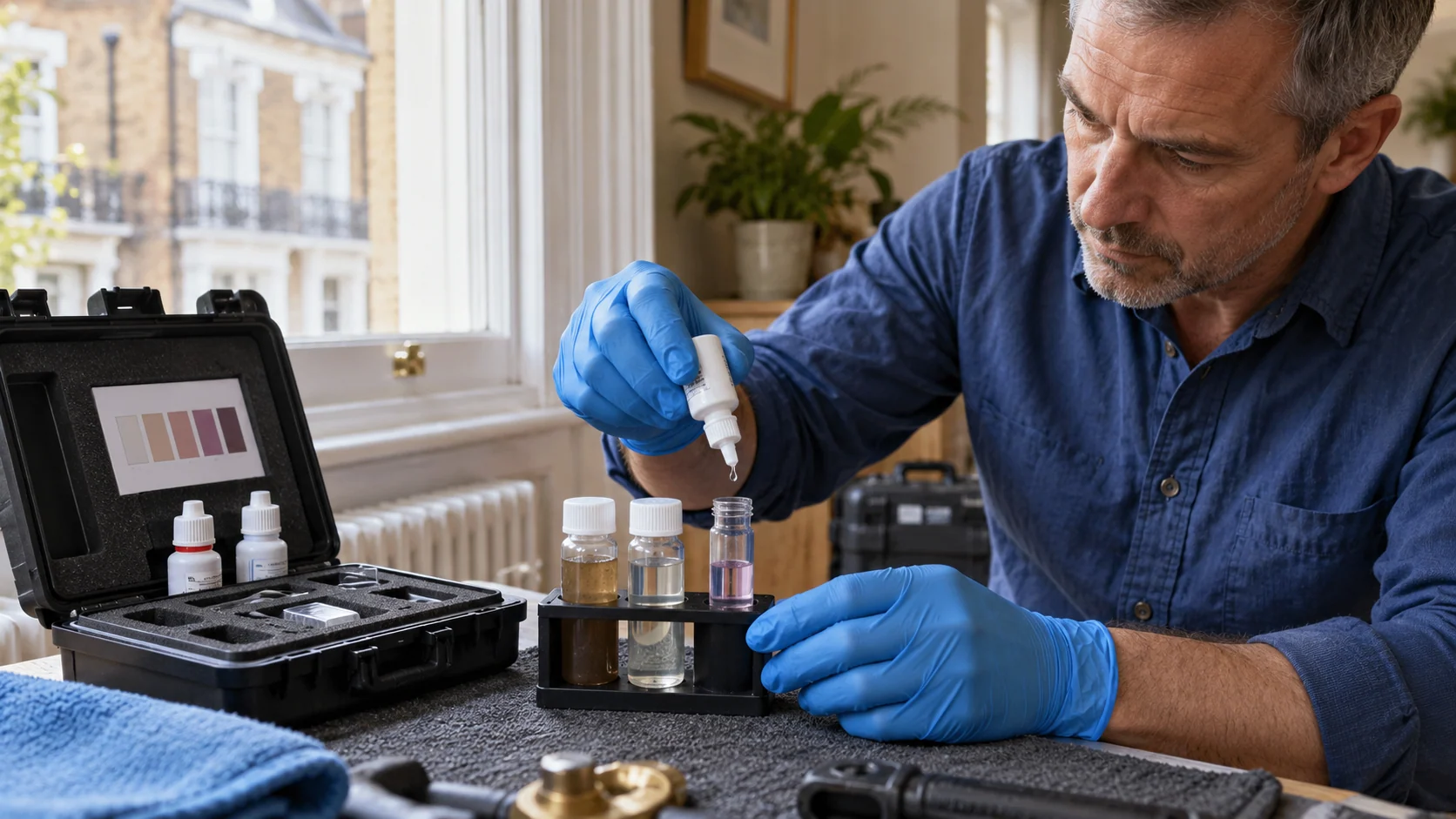
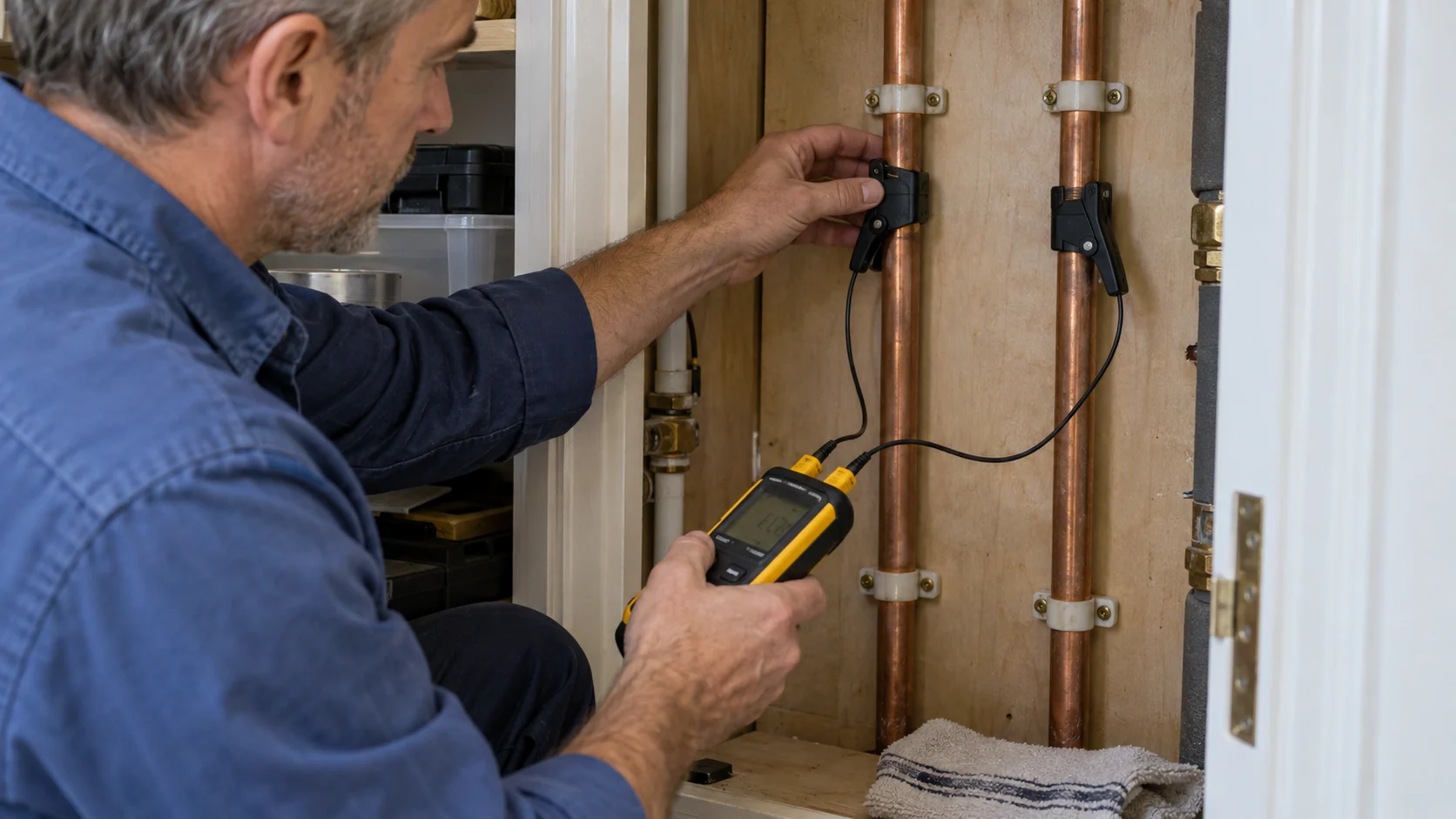
That includes appropriate rinsing and water-treatment checks, the response of the affected radiators, restored control settings and any balancing adjustments within the agreed scope. The tests used must suit the treatment products and installation; one generic reading cannot answer every water-quality question.
Fernox’s powerflushing guidance also includes checking the protective treatment and test-running the system after cleaning.
Before leaving, we explain what has improved, what still needs attention and how to maintain the system’s protection. A separate fault should remain a clearly identified recommendation, not disappear behind a claim that the system has been flushed.
09 · Earl’s Court & its nearby streets
We cover Earl’s Court Square, Nevern Square, Kenway Road, Philbeach Gardens, Barkston Gardens, Bramham Gardens and SW5 addresses around Courtfield Gardens. Coverage also includes relevant sections of Earl’s Court Road, Warwick Road, Cromwell Road and Old Brompton Road, including the SW5 side of West Brompton.
Please provide your full postcode, particularly near a district boundary. For neighbouring addresses, see our powerflushing services in Kensington, Chelsea and Fulham, or explore our wider London powerflushing service.
Before arranging the work
Many domestic systems take most of a working day. Radiator count, contamination, access and the circuit layout affect the programme. Some installations need preparatory treatment or additional work, so we confirm the likely duration after assessment.
Usually, provided the equipment and working routes can be kept safe. The affected heating will be unavailable during the work. Any interruption to hot water depends on the system arrangement and is discussed beforehand.
Not routinely. Cleaning usually takes place through the connected circuit. A radiator or blocked section may require separate attention where adequate flow cannot be established, and any additional work should be agreed.
Yes, subject to the system arrangement, access and agreed scope. Tell us about your building’s contractor requirements and any shared heating. Where managing-agent involvement is needed, it should be arranged before work begins.
It may help where contamination is impairing circulation or heat transfer. The effect depends on the original fault, building, controls and heating use. We do not promise a fixed percentage saving.
Not necessarily. A filter captures material that reaches it; its presence does not prove that every radiator and branch is clear. Its condition and service history form part of the assessment.
There is no single interval suitable for every installation. The decision should follow system condition, symptoms, water-treatment history and planned alterations. Regular maintenance and water checks are different from automatically repeating a full clean.
No. Powerflushing cleans the heating-water circuit. It does not replace a boiler service or repair an appliance fault. If separate boiler work is needed, we identify it as a separate part of the scope.
A clear next step for your heating
Contact PEP with your SW5 postcode, approximate radiator count and a short description of what happens when the heating runs. If you know whether the property has its own boiler or shared heating, include that too.
We will help establish the right next step: a closer assessment, targeted repair or a properly scoped powerflush.
A clear diagnosis. An agreed scope. A result checked before handover.